Fungal Skin and Nail Infections: Signs, Treatment and Prevention
Fungal infections of the skin and nails are common in Australia, especially in warm, humid weather. This guide covers what they look like, how pharmacists and GPs approach treatment, and everyday habits that make them less likely to come back.
- Fungal skin and nail infections are common, contagious and not a sign of poor hygiene.
- Itchy, scaly or ring-shaped rashes and thickened, discoloured nails are typical signs.
- Pharmacy antifungal creams suit many mild skin cases, but follow the label and finish the full course.
- Nail infections are slow to clear and may need a GP's assessment.
- See a GP if symptoms are severe, keep spreading or do not improve, especially with diabetes.
What are fungal skin and nail infections?
Fungi live on almost everyone's skin without causing any fuss. Trouble starts when a group called dermatophytes finds a warm, damp spot to settle in. These fungi feed on keratin, the protein in your skin, hair and nails, and the resulting infections are usually called tinea.
They are contagious, but they are not a sign of poor hygiene. A keen runner in sweaty socks, a swimmer using a public pool, and a tradie in work boots all over summer can end up with the same itchy problem. Most cases are mild and manageable, though nail infections in particular can be stubborn.
Common types and what they look like
The name often depends on where the infection shows up. Knowing the usual patterns can help you describe your symptoms to a pharmacist or GP.
Tinea on the skin
Athlete's foot (tinea pedis) typically causes itchy, peeling or cracked skin between the toes, and sometimes scaly patches along the soles. Ringworm (tinea corporis) has nothing to do with worms. It appears as a red, scaly ring with a clearer centre, often spreading outwards over a few weeks. Jock itch (tinea cruris) affects the groin and inner thighs, with a red, itchy rash that has a defined edge.
Fungal nail infections
A fungal nail infection, or onychomycosis, often starts at the tip of the nail. Over time the nail may turn yellow, white or brownish, thicken, become crumbly, or lift away from the nail bed. Toenails are affected far more often than fingernails, partly because feet spend so much time in shoes.
Yeast infections of the skin
Candida is a yeast rather than a dermatophyte. It tends to show up in skin folds, under the breasts, in the nappy area or between fingers that are often wet. The rash is usually red and moist, sometimes with small satellite spots nearby. Pityriasis versicolor is another yeast-related problem, causing small pale or tan patches on the chest and back, especially after sun exposure.
Why they are so common in Australia
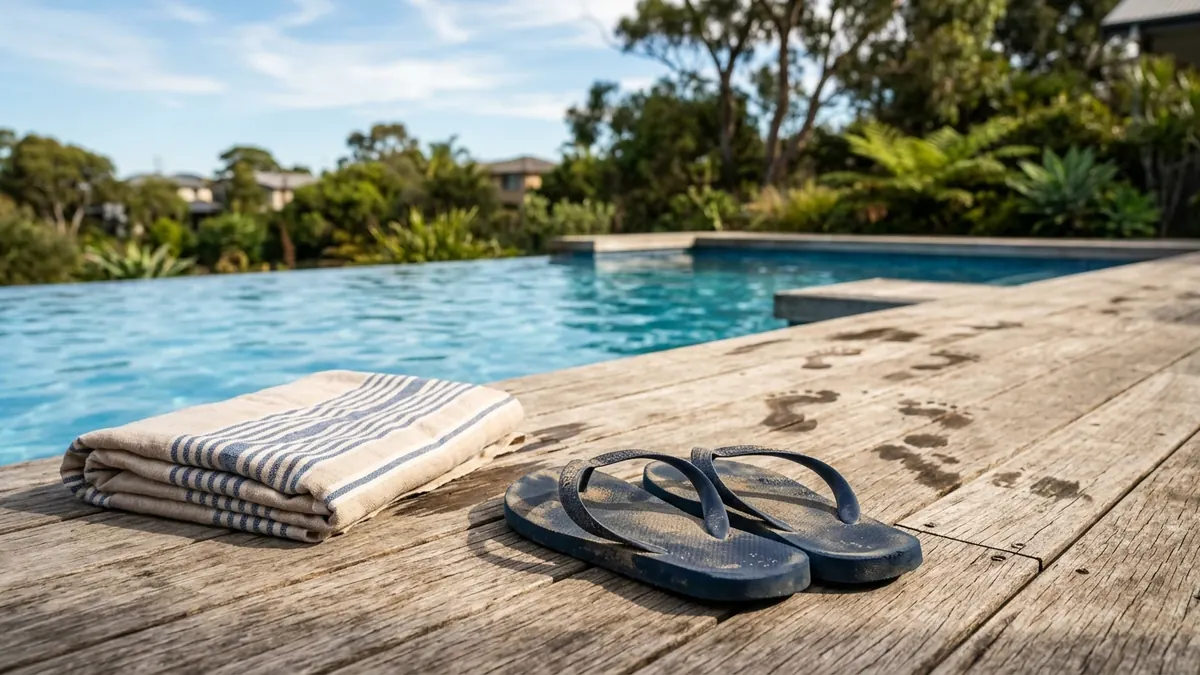
Our climate does fungi plenty of favours. Humid summers in Queensland and northern New South Wales, thongs on wet pool decks, communal change rooms, gym showers and enclosed work boots all create the warm, moist conditions these organisms like.
Some people are more prone than others. Diabetes, poor circulation, a weakened immune system, older age and previous nail injuries all raise the likelihood of infection. Pets can play a part too: ringworm is regularly passed between cats, dogs and their owners through close contact.
Treatment options and how a pharmacist can help
Mild tinea on the skin is often treated with an antifungal cream, spray or powder from the pharmacy. Common active ingredients include clotrimazole, miconazole and terbinafine. The label will say how long to keep applying it, and this matters: many people stop once the itch settles, and the infection returns because the fungus was never fully cleared.
Nails are a tougher proposition. A toenail can take 12 to 18 months to grow out completely, so any treatment needs patience. Some topical nail products may help in mild cases. More established infections may need a GP's assessment, and prescription options sometimes involve tablets, which can require a check of your other medicines and sometimes blood tests. Results vary from person to person, and no treatment can promise a particular outcome.
One common mistake is reaching for a leftover steroid cream when a rash is itchy. On its own, steroid cream can calm the redness for a while but may let a fungal infection spread and change how it looks, which makes it harder to identify later. If you are unsure what is causing a rash, ask your pharmacist before applying anything.
Everyday habits that lower the risk
Small routines make a real difference, especially for people who get repeat infections. Dry thoroughly between your toes after showering or swimming, using a separate towel for your feet if you are prone to athlete's foot. Change socks daily, or more often if they get damp, and choose breathable fabrics over synthetic ones where possible.
Rotate your shoes so each pair has a full day to dry out. Wear thongs or sandals in public showers and around pools. Avoid sharing towels, nail clippers and footwear, and wash towels and bed linen in warm to hot water.
Treat athlete's foot promptly. Left alone, it can spread to the toenails or, via a towel or hands, to the groin. If your cat or dog has patchy hair loss or scaly skin, have a vet check it so you do not keep passing the infection back and forth.
When to see your GP or pharmacist
A pharmacist is a good first stop for a mild, typical rash. They can look at the area, suggest an appropriate product and tell you what to expect over the next couple of weeks. If there is no improvement after about two weeks of correct use, book in with your GP.
See a doctor sooner if the skin is painful, weeping or swollen, if you develop a fever, or if the rash spreads quickly. The same goes for infections on the scalp, any suspected infection in a child, and anyone who is pregnant, has diabetes or has a weakened immune system. Because eczema, psoriasis and other conditions can look similar to tinea, your GP may take a skin scraping or nail clipping to confirm what is going on before starting treatment.
Frequently asked questions
Is athlete's foot contagious?
Yes. It can spread through direct contact, shared towels and damp floors in places like pools and change rooms. Wearing thongs in communal areas and keeping your feet dry reduces the chance of picking it up or passing it on.
Can I cover a fungal nail with nail polish?
It is best to avoid it while the nail is infected. Polish can trap moisture and may hide changes you need to monitor. Ask your pharmacist or GP what suits your situation.
How long does it take for a nail to look normal again?
Nails grow slowly, so even with appropriate treatment a toenail can take 12 to 18 months to grow out. Fingernails are usually quicker. Improvement is gradual, and your GP can talk you through realistic expectations.
Can I catch ringworm from my pet?
Yes. Cats and dogs can carry the fungus, sometimes with only mild signs such as small bald patches. If you have a ring-shaped rash and your pet has skin changes, see your GP and ask your vet to check your animal.
Medical disclaimer: This information is general in nature and is not a substitute for advice from your doctor or pharmacist. Prescription-only medicines are supplied only against a valid prescription.