Gout Flare-Ups: Diet, Triggers and Long-Term Care in Australia
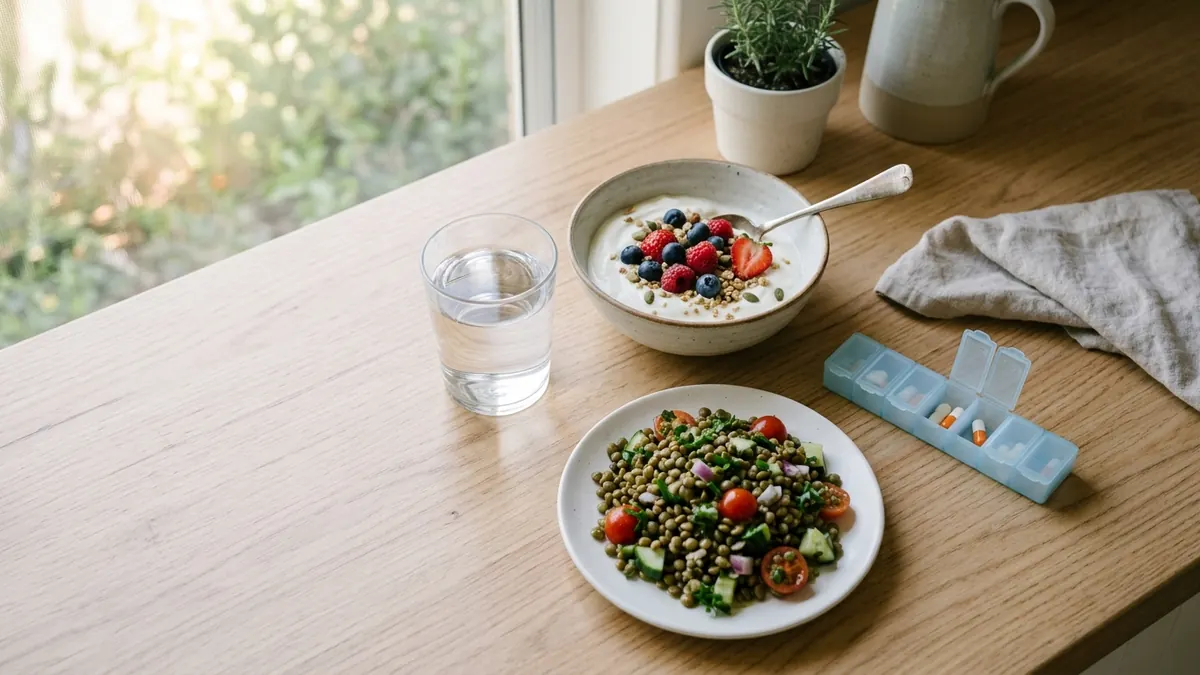
Gout flare-ups can strike overnight and make even a bedsheet feel unbearable on a swollen toe. This article covers common triggers, practical diet changes and the long-term care that helps prevent repeat attacks.
- Gout flares are caused by urate crystals in joints, and high blood uric acid is the underlying issue.
- Beer, spirits, sugary drinks, organ meats and some seafood are common dietary triggers.
- Dehydration, crash diets, illness and some medicines can also set off an attack.
- Diet helps, but many people also need a daily urate-lowering medicine and regular blood tests.
- A hot, swollen joint with fever needs urgent medical attention.
What is actually happening in a gout flare
Gout is a form of inflammatory arthritis. It starts with too much uric acid in the blood, which doctors call hyperuricaemia. Uric acid is a normal waste product made when the body breaks down purines, and most of it comes from your own cells rather than from food. If your kidneys clear it too slowly, or your body makes more than it needs, levels creep up.
Over months or years, needle-shaped urate crystals can form in and around joints. A flare happens when the immune system reacts to those crystals. The classic picture is a hot, red, swollen and very tender joint, often the big toe, that peaks within 12 to 24 hours. Ankles, knees, wrists and fingers can be affected too.
Many people assume gout is a matter of too much rich food and wine. Diet does play a part, but genetics, kidney function, body weight and some medicines often matter just as much. That is why two people with similar eating habits can have very different experiences.
Common triggers worth knowing
A trigger is anything that tips an already high urate level into a flare, or makes crystals shed from a joint. Keeping a simple diary after each attack can reveal your own pattern.
Food and drink
Alcohol is the best-known culprit, and beer carries the strongest link because it contains purines and also slows uric acid removal. Spirits can contribute too. Wine appears to carry less risk, but a big night can still set off an attack.
Sugary soft drinks and fruit juice sweetened with fructose are another trigger that surprises people. Fructose increases uric acid production. Purine-rich foods such as organ meats, game, some shellfish, sardines and anchovies can also spark trouble, as can large servings of red meat.
Everyday and medical triggers
Dehydration, a hot day on the tools, or a long flight can concentrate uric acid in the blood. Crash diets and fasting can do the same. Illness, injury and surgery are also common triggers.
Some medicines, including certain diuretics (fluid tablets) and low-dose aspirin, can nudge urate higher. Never stop a prescribed medicine on your own. Instead, ask your GP or pharmacist to review your list if you are having frequent flares.
Starting or changing a urate-lowering medicine can also cause a flare in the first few months, because crystals begin to dissolve and move. This is expected, and your doctor can plan for it.
Eating and drinking with gout in mind
Food changes alone rarely bring urate down to target, but they can lower your risk and support other treatment. Think steady habits rather than a strict ban list.
Where to ease off
Cut back on beer and spirits, and keep some alcohol-free days each week. Swap sugary drinks for water, soda water or unsweetened tea. Keep red meat portions modest, for example a palm-sized serve rather than a 400 g steak, and treat offal and anchovies as rare extras rather than regulars.
Avoid fasting or very low-calorie plans. If you need to lose weight, which often helps urate levels, aim for gradual loss over months.
What tends to sit well
Low-fat dairy such as milk and yoghurt is associated with lower gout risk in some studies. Legumes, wholegrains, nuts, eggs and plenty of vegetables fit well in a gout-friendly eating pattern. Vegetables higher in purines, such as spinach and mushrooms, have not been shown to trigger attacks, so there is no need to skip them.
Drinking enough water helps your kidneys clear uric acid. A practical goal is to keep your urine pale yellow through the day. Cherries are often mentioned online, but the evidence is limited, so enjoy them as fruit rather than as a treatment.
When a flare hits
Early action tends to shorten an attack. Rest the joint, raise it if you can, and place a cold pack wrapped in a tea towel on it for 10 to 15 minutes at a time. Keep drinking water. Even the weight of a sheet can hurt, so a cradle or loose clothing may help.
Pain relief needs some care. Over-the-counter anti-inflammatory medicines suit some people, but they are not appropriate if you have kidney disease, a history of stomach ulcers, heart failure, or you take blood thinners. Check with your pharmacist before taking anything. Your GP may prescribe a short course of a different anti-inflammatory treatment, such as colchicine or a corticosteroid, depending on your health.
If you already take a urate-lowering medicine, you would usually keep taking it during a flare unless your doctor says otherwise. Do not start or stop treatment without advice.
Get urgent medical help if the joint is very hot and swollen and you also have a fever or feel generally unwell. Joint infections can look like gout and need prompt treatment. This is also true if it is your first ever attack, since other conditions can mimic it.
Long-term care: aiming for a target, not just surviving attacks
Treating each flare as it comes only manages the pain. The longer-term aim is to bring blood urate below a target, usually under 0.36 mmol/L, or lower if you have lumps of crystals (tophi) under the skin. At that level, existing crystals gradually dissolve and new attacks become less frequent.
For many people this needs a daily urate-lowering medicine prescribed by a GP, usually started at a low dose and increased with regular blood tests. It can take months to reach target. Because flares can occur early on, doctors often add a low-dose preventive medicine for the first several months. Stick with the plan even when you feel well, because gout is often silent between attacks while damage can continue.
Other supports matter as well. Ask your GP to check kidney function, blood pressure, cholesterol and blood sugar, since gout often travels with these conditions. A pharmacist can run a medicine review and explain how to time doses. An accredited practising dietitian can tailor eating changes to your tastes and budget.
Making a practical plan with your care team
Write down your last few flares: what you ate, what you drank, and anything unusual such as illness or a new medicine. Bring that, along with your latest urate result, to your next GP appointment. Ask what your target is, when your next blood test is due, and what to do at the first twinge of the next flare.
Many people find it helpful to keep a small flare plan on their phone, covering the pain relief that is safe for them, when to call the GP and who to ring after hours. With a steady plan, most people with gout can reduce flares and keep doing what they enjoy.
Frequently asked questions
Can I get gout even if I eat well?
Yes. Genetics, kidney function, body weight and some medicines strongly affect uric acid levels, so gout can occur in people with a balanced diet. Diet still helps reduce risk, but it is rarely the whole picture.
Is it safe to exercise during a gout flare?
Rest the affected joint while it is hot and painful. Gentle movement of other joints is fine. Return to regular activity gradually once the flare settles, and stay hydrated.
Do I need to take medicine if I only have occasional flares?
That depends on how often attacks occur, your urate level, kidney health and whether joints or tissues show damage. Your GP can explain the options and whether long-term treatment suits you.
Which over-the-counter pain relief is safe for gout?
It varies with your health and other medicines. Anti-inflammatories are not suitable for everyone, so speak with your pharmacist or GP before taking any product.
Medical disclaimer: This information is general in nature and is not a substitute for advice from your doctor or pharmacist. Prescription-only medicines are supplied only against a valid prescription.