Type 2 Diabetes in Hot Weather: A Practical Australian Guide
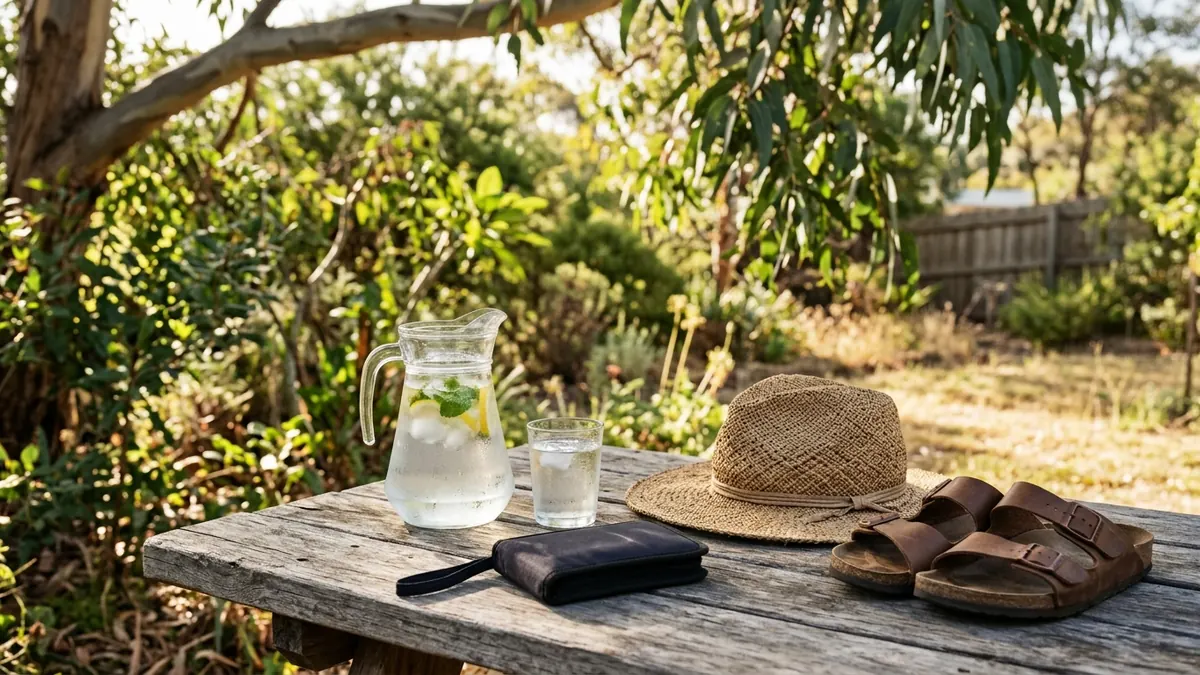
Hot weather can change how your body handles fluid, glucose and medicines. This guide covers the everyday steps that help people with type 2 diabetes stay comfortable and safe through an Australian summer.
- Heat and high glucose can feed each other through fluid loss, so sip water steadily all day.
- Keep insulin, meters and strips out of hot cars and check storage limits on each product.
- Ask your GP or pharmacist for a sick-day plan before summer, and don't change medicines yourself.
- Check your glucose before assuming symptoms are only from the heat.
- Protect your feet from hot surfaces and inspect them daily.
Why heat affects blood glucose
Your body works harder to cool itself in hot weather. You sweat more, lose fluid, and if you don't replace it, the glucose in your blood becomes more concentrated. When glucose runs high, you pass more urine, which drains even more fluid. It can become a loop that is easy to miss on a long, hot afternoon.
Heat can also change how insulin behaves. Warmer skin and wider blood vessels may speed up absorption from an injection site, so some people notice lower readings than usual. Others find that being unwell from the heat pushes their glucose up. Because responses vary, your own readings tell you more than any general rule.
Some people carry extra risk: older adults, people with kidney disease, and those with nerve damage (neuropathy) that reduces sweating. If that sounds like you, talk with your GP before summer starts about a plan for hot days.
Drinking enough, and drinking the right things
Water is the default. Sip steadily through the day rather than gulping a litre after a walk. Pale, straw-coloured urine is a rough guide that you're keeping up. A bottle half-frozen overnight stays cold for hours and doubles as a cooling pack in your bag.
Fruit juice, soft drink, cordial and many sports drinks can send glucose climbing, so save them for treating a low if your plan includes that. Alcohol adds to dehydration and, for people on certain medicines, raises the risk of a hypo. A cold beer at the cricket is not off the table for everyone, but have water alongside it and ask your pharmacist how alcohol interacts with your treatment.
If you've been told to limit fluids because of heart or kidney problems, don't simply drink more. Ask your GP what a safe amount looks like in hot weather.
Keeping medicines and insulin safe from heat
Heat affects medicines as well as people. Storage limits differ between products, so check the packaging or ask your pharmacist about yours.
Insulin and injectable medicines
Unopened insulin generally belongs in the fridge, between 2 and 8°C, until its expiry date. Once a pen is in use, it is usually kept at room temperature for a set number of weeks, as long as it stays below the stated limit, often around 30°C. A parked car on a summer day can climb well past 50°C inside, so the glovebox is the worst place for it.
Use an insulated bag when travelling, and keep ice packs from touching the pen directly, because frozen insulin must be thrown away. If a pen looks cloudy when it shouldn't, has clumps, or has been somewhere very hot, ask your pharmacist whether it's still safe to use. Never guess.
Tablets and sick-day plans
Some diabetes tablets, and some blood pressure or fluid medicines, can be a problem if you become dehydrated through vomiting, diarrhoea or heavy sweating. One group, the SGLT2 inhibitors, can lead to ketoacidosis when you're unwell or not eating, even if glucose readings look near normal. Metformin and certain other medicines also call for care when kidneys are under strain.
Don't stop or change doses on your own. Ask your GP or pharmacist now for a written sick-day plan, so you know what to do before a gastro bug or heatwave arrives.
Checking glucose when it's hot
Meters and test strips have operating and storage limits, and many don't cope well with a hot car or direct sun. Keep them in a bag out of the heat, and read the instructions for your model. If a reading looks wildly off, wash and dry your hands and test again before acting on it. Sweat, sunscreen and sticky fingers can all interfere.
Continuous glucose monitor sensors may peel in heavy sweat or after swimming. A patch over the top, or a barrier wipe applied before fitting, can help. Your pharmacist or diabetes educator can show you options.
Heat exhaustion and a low glucose level can look alike: sweating, shakiness, headache, confusion. Check your glucose before assuming it's the weather. If it's low, treat it as your plan says, usually with about 15 grams of fast-acting carbohydrate, then recheck. If you feel faint, vomit, or become confused and your reading doesn't explain it, treat it as urgent.
Looking after feet and skin
Hot sand, bitumen, pool decking and boat floors can burn feet in minutes. If you have reduced feeling in your feet, you may not notice until a blister forms. Wear shoes or water shoes on hot surfaces, even for a short walk to the beach.
Thongs offer little protection and can rub between the toes, so ask a podiatrist whether they suit you. Feet often swell in the heat, so check that shoes still fit. Look at your feet daily, including between the toes and under the heel, and get any cut, blister or red patch checked early. Slip, slop, slap matters too, because sunburn is an added stress on the body, and cracked, dry skin can let infection in.
Staying active without overdoing it
Exercise still helps glucose control, but the timing matters. Early morning or after sunset is usually more comfortable than midday. An indoor pool, a shopping centre loop or a session on a stationary bike all count when it's 38°C outside.
Take water and a fast-acting carbohydrate source, especially if you use insulin or a sulfonylurea. Stop if you feel dizzy, unusually tired, or nauseous. Sit in the shade, drink water and check your glucose.
Plan for a power cut too. Know where you could keep insulin cool, and keep a small kit with spare testing supplies, medicines and a copy of your medication list. Heatwaves and storms sometimes arrive together.
When to get help
Call your GP or pharmacist if your readings stay higher than usual for a day or two, if you can't keep fluids down, or if you're unsure whether a medicine has been spoiled by heat. Ring 000 for fainting, confusion, severe vomiting, hot dry skin with no sweating, chest pain, or a low glucose level that doesn't improve after treatment.
This article is general information and not a substitute for advice from your own healthcare team.
Frequently asked questions
Can I leave insulin in the car for a short time?
It's best not to. Cars heat up quickly, even in the shade, and insulin damaged by heat may not work as expected. Carry it in an insulated bag and take it with you. If it's been exposed to high temperatures, ask your pharmacist whether it's safe to use.
Does hot weather make blood glucose go up or down?
It can go either way. Dehydration tends to push readings higher, while warmer skin may speed up insulin absorption and bring them lower. Check more often during heatwaves if your GP or diabetes educator agrees.
Should I stop my diabetes tablets if I'm not eating because of the heat?
Don't stop on your own. Some medicines need adjusting when you're dehydrated or unwell, while others should continue. Ask your GP or pharmacist for a written sick-day plan.
How much water should I drink on a hot day?
There's no single figure. Many people do well sipping regularly and aiming for pale urine, but needs vary with age, activity and other conditions. If you have heart or kidney disease, ask your GP for a personal target.
Medical disclaimer: This information is general in nature and is not a substitute for advice from your doctor or pharmacist. Prescription-only medicines are supplied only against a valid prescription.