Starting a Statin: What the First Weeks and Months Look Like
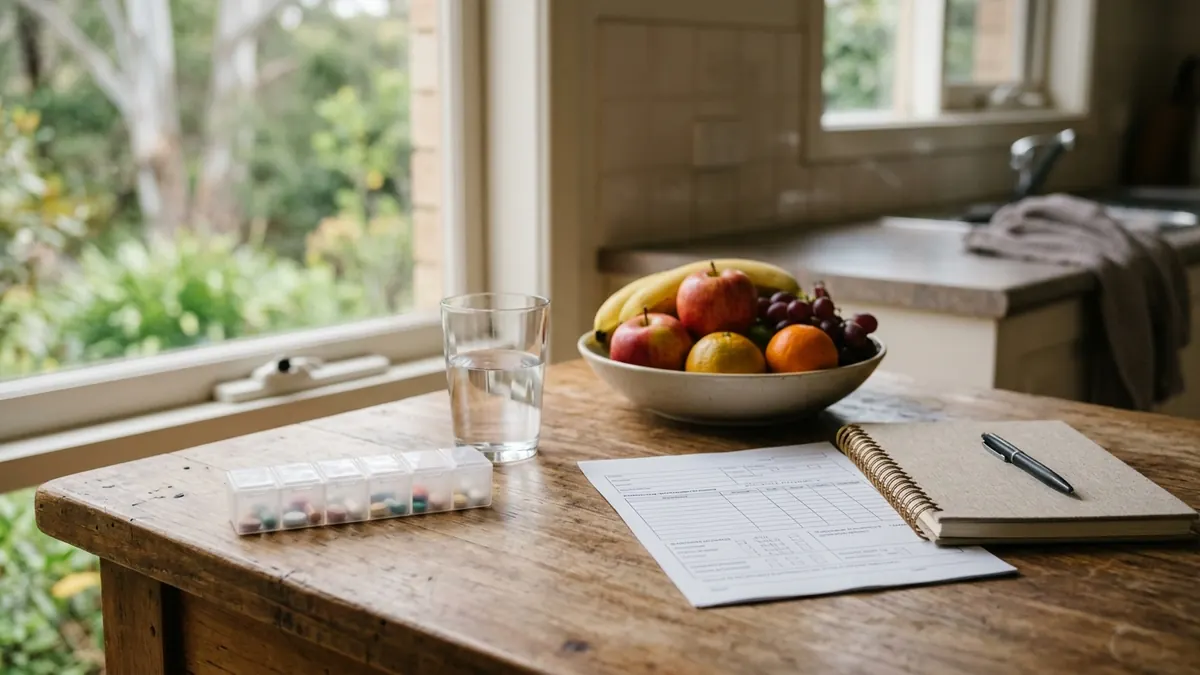
Being handed a script for a statin can raise plenty of questions, from side effects to how long you'll be on it. This guide covers what usually happens in the first few weeks and months, and when to speak to your GP or pharmacist.
- Statins lower LDL cholesterol and, for people at higher risk, reduce the chance of heart attack and stroke. They do not cure anything.
- Most people feel nothing when they start, so a regular routine matters more than how you feel.
- Mild muscle aches or stomach upset can happen, but severe muscle pain, dark urine or yellow skin needs prompt medical attention.
- Tell your GP and pharmacist about all your medicines, and ask about grapefruit and alcohol.
- Don't stop on your own if you have side effects. Your doctor can often adjust the dose or switch the statin.
Why your doctor may suggest a statin
Statins are prescription medicines that lower LDL cholesterol, the type that can build up in artery walls over many years. Your GP usually decides whether you need one by looking at more than a single cholesterol result. Age, blood pressure, smoking, diabetes, kidney function, family history and whether you've already had a heart attack or stroke all count.
In Australia, many doctors use an absolute cardiovascular risk calculator to estimate your chance of a heart attack or stroke over the next five years. If that number is moderate or high, or if you already have heart disease, a statin is often part of the plan. For some people, it's one piece alongside blood pressure treatment, quitting smoking and changes to food and activity.
A statin doesn't repair damage or cure anything. What the evidence shows is that, for people at higher risk, lowering LDL cholesterol reduces the chance of cardiovascular events. How much benefit you get depends on your starting risk, which is why your GP's reasoning matters.
Before you take the first tablet
A few things are worth sorting out at the appointment or when you collect your script. Asking now saves a phone call later.
Tell your GP and pharmacist everything you take
That includes over-the-counter products, herbal remedies and supplements. Some antibiotics, antifungals, HIV medicines and heart medicines can interact with certain statins and raise the chance of muscle problems. Your pharmacist can check your whole list in a few minutes.
Mention any past muscle pain on cholesterol medicine, liver or kidney conditions, an underactive thyroid, and how much alcohol you drink. If you're pregnant, planning a pregnancy or breastfeeding, say so, as statins are generally not recommended in these situations.
Ask which statin and what dose
Atorvastatin, rosuvastatin, simvastatin and pravastatin are among those used in Australia. They differ in strength and in how they interact with other things, so the choice is individual. Your doctor may start on a moderate dose and adjust from there.
The first few weeks
Most people notice nothing at all. High cholesterol has no symptoms, so you won't feel the tablet working. That can make it tempting to skip doses once the novelty wears off, but the effect depends on taking it regularly.
Building a routine
Some statins, such as simvastatin, are usually taken in the evening, while others, such as atorvastatin and rosuvastatin, can be taken at any time of day. Pick a time you can stick to, like brushing your teeth. A weekly pill organiser helps, and many pharmacies offer dose administration packs if you take several medicines.
If you miss a dose, take it when you remember unless it's nearly time for the next one. Don't double up. Your pharmacist can advise on your specific tablet.
Common, usually mild effects
Headache, an upset stomach, wind, constipation or mild muscle aches are the most commonly reported effects. Plenty of people have them for a week or two and then find they settle. Others never have any.
Muscle aches deserve a little context. In large trials where some participants took a statin and others took a dummy tablet, aches were reported by both groups at similar rates. That doesn't mean the pain isn't real. It means the cause isn't always the statin, and your doctor can help work out the difference.
Side effects that need prompt attention
Serious problems are uncommon, but you should know the warning signs. Contact your GP promptly, or go to an emergency department if symptoms are severe, if you notice any of the following.
Severe or unexplained muscle pain, tenderness or weakness, especially with fever or dark, tea-coloured urine, can signal muscle breakdown. Yellowing of the skin or eyes, pale stools or intense tiredness with upper abdominal pain can point to a liver problem. An allergic reaction, such as facial swelling or difficulty breathing, is an emergency.
Statins can also nudge blood sugar up slightly, and a small number of people tip into a type 2 diabetes diagnosis, usually those who were already close to it. For most people at raised cardiovascular risk, doctors consider the benefit to outweigh this, but ask your GP if you have concerns about your own situation.
Food, drink and everyday habits
Grapefruit and grapefruit juice can raise the level of some statins in your blood, particularly simvastatin and, in large amounts, atorvastatin. A glass now and then is unlikely to matter for everyone, but check with your pharmacist before making it a habit.
Alcohol in moderation is generally fine, but heavy drinking adds strain to the liver and is worth discussing openly with your doctor.
A statin isn't a licence to ignore the rest. Take Sam, 58, who started a statin after a risk assessment showed high blood pressure and a family history of early heart disease. His cholesterol dropped, but his GP also wanted him walking most days, cutting back on salt and sorting out his blood pressure. Together those changes did more than the tablet alone could.
Check-ups and staying on track
Your GP will usually arrange a repeat cholesterol test some weeks to a few months after you start, to see how your levels have responded and whether the dose needs changing. Some doctors also check liver function at the beginning. After that, tests are commonly done once a year, or more often if something changes.
Statins are generally intended as long-term treatment. If you stop, your cholesterol typically returns to where it was. If side effects are bothering you, don't stop quietly. Your doctor can often try a different statin, a lower dose or a different schedule, and may discuss other options if you truly can't tolerate them.
Medicines in Australia are often subsidised through the PBS, and the cost of many statins is modest. If cost is a worry, ask your pharmacist about options. Keep a list of your medicines and bring it to appointments, so everyone treating you has the same picture.
Frequently asked questions
How long does a statin take to work?
Cholesterol levels usually start to fall within a few weeks, and your GP will typically recheck them after a couple of months. You won't feel any difference, so the blood test is how you and your doctor see whether it's working.
Can I stop taking a statin once my cholesterol is normal?
Your cholesterol is normal largely because of the medicine, so stopping usually lets it climb back. Talk to your GP before making any change. They can review whether you still need it or whether an adjustment makes sense.
What should I do if I get muscle aches after starting?
Mild aches are fairly common and sometimes have other causes. Let your GP or pharmacist know, and seek urgent help if the pain is severe, comes with weakness or fever, or your urine turns dark. Don't stop the medicine without advice unless symptoms are serious.
Is it safe to drink alcohol on a statin?
Moderate drinking is generally considered compatible with statins, but heavy drinking can affect the liver. Be open with your doctor about how much you drink so they can advise you properly.
Medical disclaimer: This information is general in nature and is not a substitute for advice from your doctor or pharmacist. Prescription-only medicines are supplied only against a valid prescription.